Exploring the Creative Journey of “La Pietra” with Filmmaker Nikita Hattangady
Diving into the captivating narrative of “La Pietra,” Nikita Hattangady, the brilliant filmmaker behind this heartwarming short film, takes us through her creative process, challenges faced, and the profound themes that make her work truly resonate. From a Guru’s tale that sparked inspiration to crafting the transformative relationship between characters, join us as Nikita offers insights into the making of “La Pietra” and shares her cinematic vision for the future.
Can you tell us more about the inspiration behind “La Pietra”? Was there a real-life story on which the movie was based on? How did the Italian setting of the story influence you? Was it difficult recreating the Italian atmosphere when shooting in Texas?
Some years ago, I heard a story about my Guru who gave a woman a piece of jewelry to help pull her out of poverty. The woman was told to pawn the jewelry, invest in a business, and return the jewelry after she became financially independent. The woman did as instructed and was finally financially secure. I was moved by that story. Wouldn’t it be neat if everyone could have someone wise guide them and give them the tools they needed to end their miseries? This thought became the foundation for La Pietra.
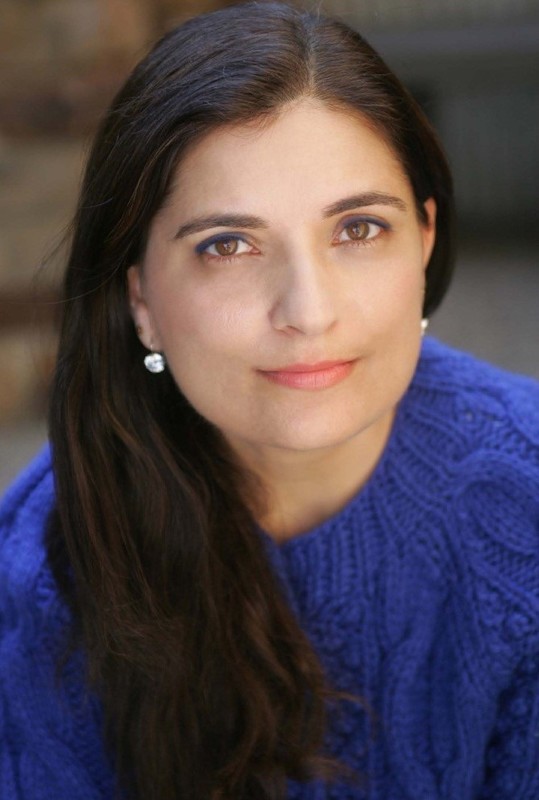
After completing the script, I put it away and hoped to do something with it later. When I lived in Nice, France I traveled to Italy often. I loved the culture and decided to set the story of La Pietra in Italy, hence the Italian title.
Mothers are the center of the family in the Italian culture. Although much of the advice Madre gives to her visitors is full of common sense that our mothers give us, hardly anyone wants to listen to their own mother. But a mysterious wise woman called Madre is more likely to have success in having her suggestions accepted. Her character can easily fit in any culture.
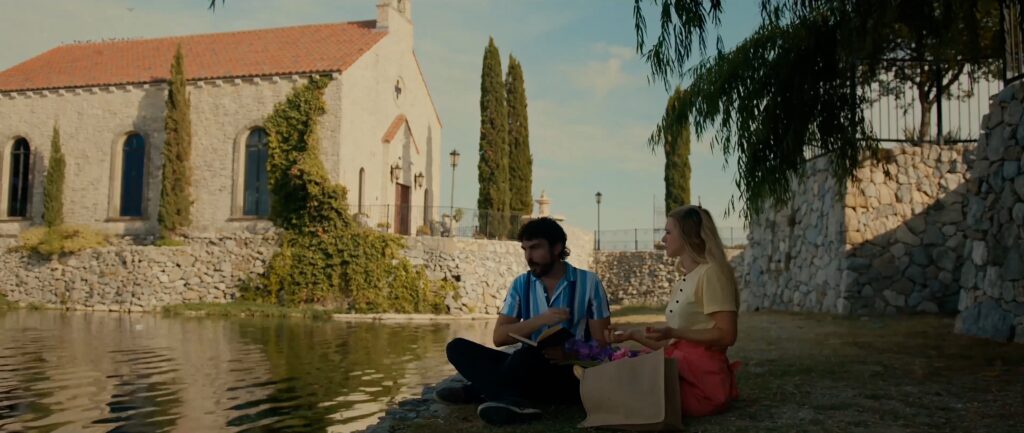
The film was shot in the small town of McKinney, in North Texas. McKinney has some areas that have a very Italian/Croatian feel. The houses, the gardens and courtyards look very authentically Italian. We even have vineyards! Outdoor filming was great fun and we felt as if we were in Italy.
As the director, what were the most significant challenges you faced while making “La Pietra,” and how did you overcome them? Was it difficult to find the perfect cast for the film?
The greatest challenge for La Pietra was the casting. Covid restrictions were just being lifted, yet most people were not venturing out and continued to avoid crowds.
We did most of our auditions online. It was also difficult to find an Italian speaking actress in the Dallas vicinity where I live, so I had to search for an actress outside of Texas. Our rehearsals were also online. The woman who played Madre did not speak Italian, so I found a voice-over artist in Germany who did the voice for Madre’s character. Although there were challenges, we ended up establishing an incredible cast.
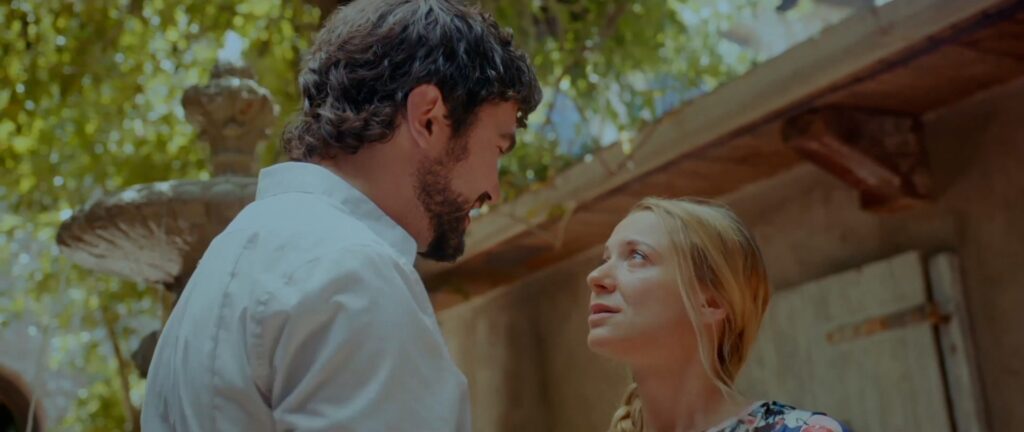
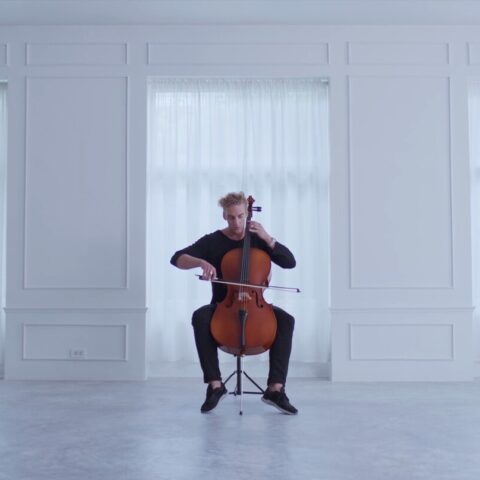
“La Pietra” appears to emphasize the guidance and wisdom imparted by a mentor-like figure. What elements were crucial for you in portraying the relationship between Rosabella and the wise woman convincingly? Was there a specific reason you chose not to show the wise woman’s face?
We wanted to show the Madre as not only wise but intuitive as well. Madre makes statements such as “You are like a beautiful Rose, BellaRosa” which is the inverted form of Rosabella. Such statements made the character feel a bit ominous. We needed her to be gentle with Rosabella so that she would trust Madre, which she does. Her voice had to be soothing, gentle but confident so that Rosabella would open up to Madre and would also respect her requests. Madre asks Rosabella to sing the affirmations, so that she can practice her craft once again and recognize that her singing is her gift. Everything Madre says in the film has significance.
We wanted the audience to hear what she said, so we decided to hide her face. The audience can pay attention to the words rather than her facial expressions. But most of all, it adds a touch of suspense. Anything unknown gives a powerful connotation.
The film’s message seems to revolve around finding joy through using the gifts bestowed by the universe. How do you think this message will resonate with audiences, and what impact do you hope the film will have on viewers?
Rosabella is an accomplished singer and yet she doesn’t know that music is her gift. It seems so strange, but it isn’t. Most people do not know their strengths. They sometimes must take tests to identify them. Awareness of a strength or talent is the first step.
Making that talent an important part of one’s life helps us to be joyful and subsequently brings joy to others. It really is that simple.
Are there any particular films or directors that have had a profound impact on your filmmaking style or inspired you throughout your career?
I am influenced by several directors. But two of my favorites are American director Robert Wise, and Indian director Hrishikesh Mukherji. One of my all-time favorite films is Sound of Music. It is a perfect film because it has music, family, love, breathtaking scenery, values, and drama. I try to incorporate many of those elements in my films, especially music.
Hrishikesh Mukherji films are all family dramas with subtle and mild humor. In fact, all aspects of his films have a tenderness to it. The stories touch your heart and leave the audience feeling good. All the stories that I have written are heart-warming stories. I try to address issues and send messages in a gentle manner as well.
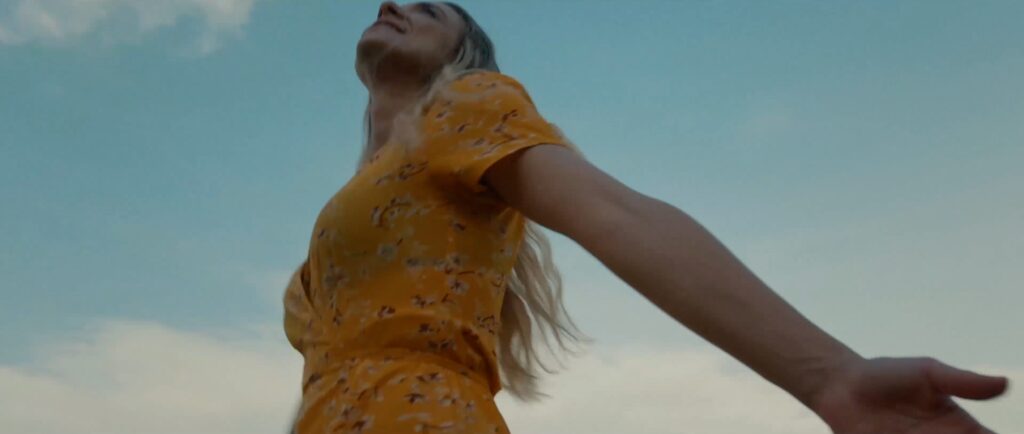
“La Pietra” touches upon themes of rediscovering magic in life. How did you work with the actors to bring out the emotional depth of the characters and portray their personal transformations on screen?
The only character that transforms in the film is Rosabella.
Madre’s wisdom maintains throughout the film.
Giuseppe is a man full of gratitude and that is why he can smile and relax in all situations. He desires nothing more than what he already has. Gratitude is another important theme in La Pietra.
Faustina was in awe of Madre from the beginning, and she continues to revel in Madre’s powers even at the end.
Rosabella, who was initially skeptical of Madre, eventually opens her heart to her. Her pain does not stop flowing. Because Rosabella followed simple instructions with devotion, she finally finds her joy.
I wanted my ensemble of actors to recall situations in their own lives in which they experienced what the characters experienced in the film. The emotions that they felt in those events would be the same ones that they would need to express during the shoot. They all performed exactly how I wanted.
The film features actors from different regions, including Europe. How did you manage to bring together such a diverse cast and create a cohesive performance that fits the film’s narrative?
Technology is incredible! Dallas has a booming industry, but I wasn’t able to locate Italian speaking artists. Through zoom auditions work for hire sites, I was able to find a cast that was perfect for each character. On-line rehearsals enabled me to share my vision while saving time for travel. I think the future of filmmaking will involve teams that work from all over the world.
I also like to have a diversity of people in the cast and crew. Our team has men and women from a variety of ethnicities, cultures, and faiths. When working with a diversity of people we learn so much about the world.
Finally, what do you hope audiences will take away from “La Pietra,” and what can we expect from your future endeavors as a filmmaker?
I hope that the audience will identify three themes: Each person is blessed with talent. Our job is to find that talent and honor it. The second is to use our talent to not only find joy for ourselves but to give happiness to others through our gifts. And finally, gratitude is the best way to be peaceful and feel fulfilled.
My next film is a drama set in Mumbai about a street artist who succeeds in achieving the unthinkable, not just because of his talent but because of his kindness.