From Screen Icon to Champion for the Voiceless
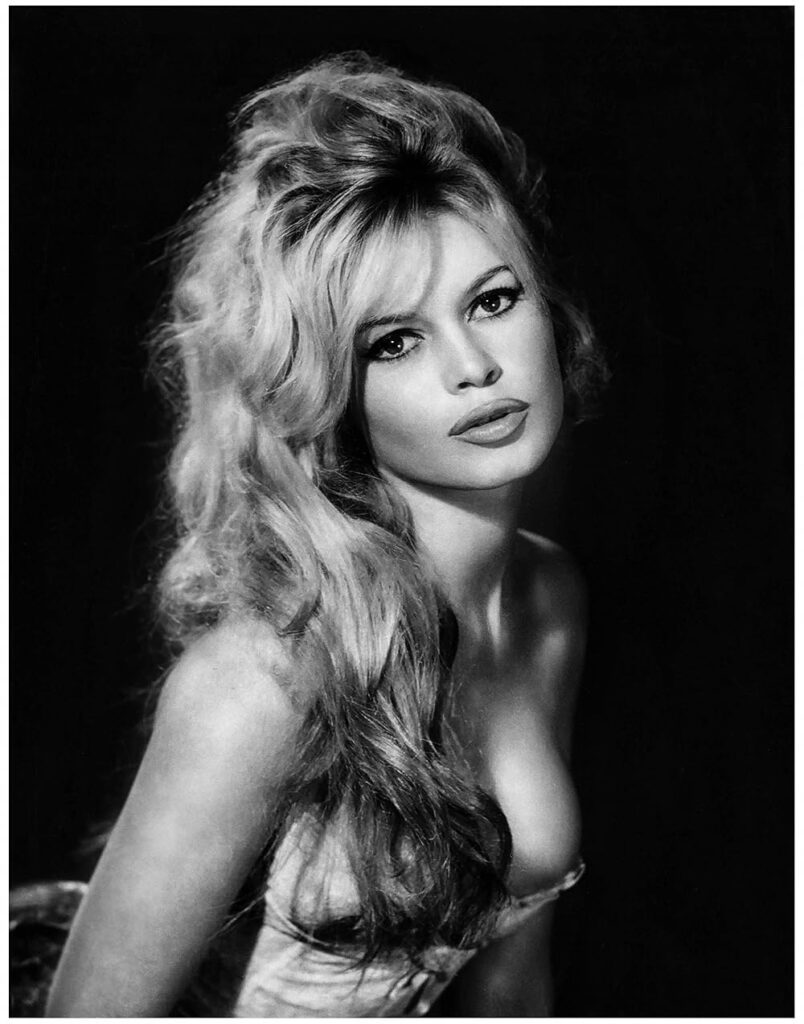
Today, the world mourns the passing of Brigitte Bardot, the legendary French actress, singer, and activist, who died at the age of 91. Bardot’s life spanned decades of cultural transformation, and she remained a figure of independence, courage, and unwavering commitment to her beliefs until the very end. While she was globally celebrated as an icon of beauty, Bardot was first and foremost a revolutionary artist who served as a vital muse for the most daring directors of the 20th century. Her breakthrough role in Roger Vadim’s And God Created Woman (1956) was a seismic event that did more than just establish her stardom; it shattered the conservative social codes of the post-war era, embodying a new vision of feminine freedom. On screen, she combined sensuality with a fierce intelligence, challenging social norms and redefining the role of women in cinema for generations to come.
Bardot’s career was defined by her singular ability to command the screen under the lens of true masters. In Henri-Georges Clouzot’s La Vérité (1960), she delivered a tour de force performance as a woman on trial for murder—a role that blended vulnerability with defiance, proving her immense dramatic depth to even her harshest critics. Her collaboration with Jean-Luc Godard in Contempt (1963) remains a landmark of the French New Wave, where she portrayed the complexities of art and heartbreak with a subtlety that resonated deeply with the movement’s intellectual ethos. She continued to showcase her versatility and adventurous spirit in Louis Malle’s Viva Maria! (1965), and her work with other luminaries like Marcel Carné and Christian-Jaque ensured her impact on film, fashion, and popular culture remained unmatched.
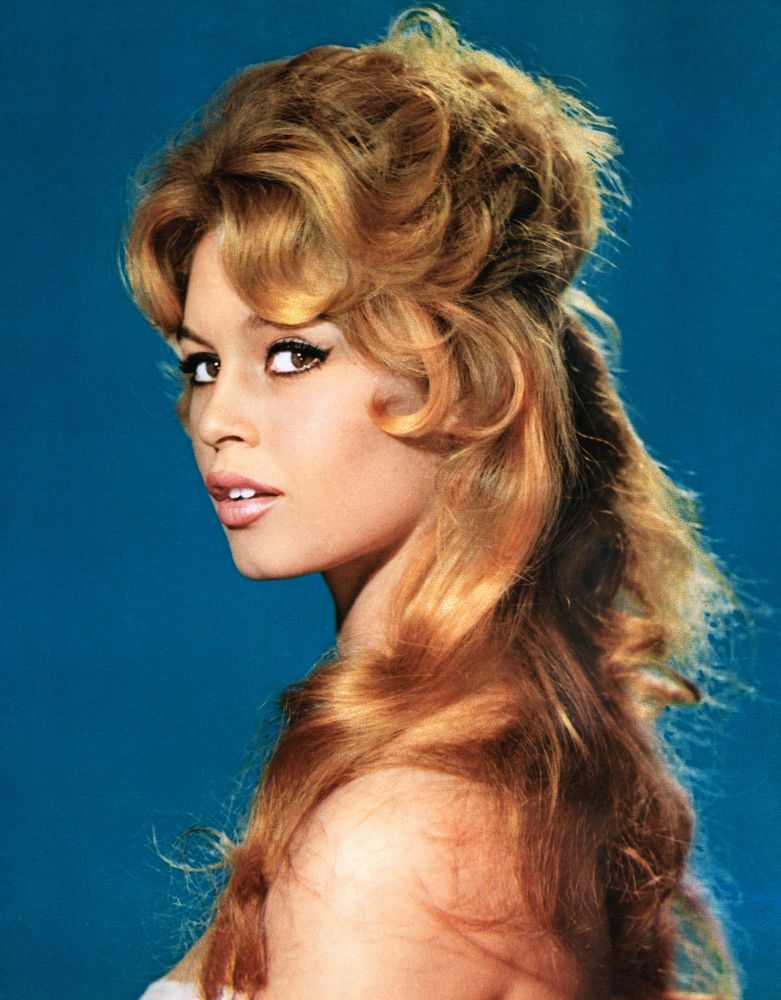
After retiring from acting in the early 1970s at the pinnacle of her fame, Bardot turned her attention to the cause closest to her heart: animal welfare. Through the Brigitte Bardot Foundation, she tirelessly campaigned to end cruelty toward animals, oppose fur and seal hunting, and promote ethical treatment across the globe. Her advocacy brought attention to causes that were often ignored, showing a remarkable dedication to the protection of life and effectively translating her global fame into meaningful ethical action. Bardot’s legacy, however, was not confined to film or animal welfare; she remained a prominent figure of independent thought in modern times. In later years, she spoke out on matters she saw as essential to the preservation of freedom and national identity, often questioning immigration policies and framing her critiques in terms of cultural preservation and social cohesion. Admirers describe her as a figure of independent thought, unafraid to confront prevailing narratives and defend her convictions—consistent with her fearless presence both on and off screen.
In a similar vein, Bardot was a vocal critic of strict COVID-19 measures, advocating for personal liberty and cautioning against state overreach in public health policy. For many, her position represented a principled defense of individual rights and critical thinking in the face of mass regulation—a stance entirely consistent with her lifelong independence of spirit. Brigitte Bardot’s life was defined by boldness, whether as a film icon, a champion of animals, or a voice willing to speak unpopular truths. She embodied the idea that fame need not silence conscience, and that standing for one’s beliefs is itself an act of courage. Bardot leaves behind a multifaceted legacy comprising the unforgettable glamour of French cinema, a powerful commitment to animal welfare, and a model of intellectual autonomy. She reminds the world that living authentically and speaking one’s mind can be a powerful force for awareness and debate. Her passing today marks the end of an era, but her life remains a testament to freedom, courage, and the uncompromising pursuit of one’s convictions.