Attack of the Clones—Jim Carrey, Pamela Anderson, and the Illusion We Applaud
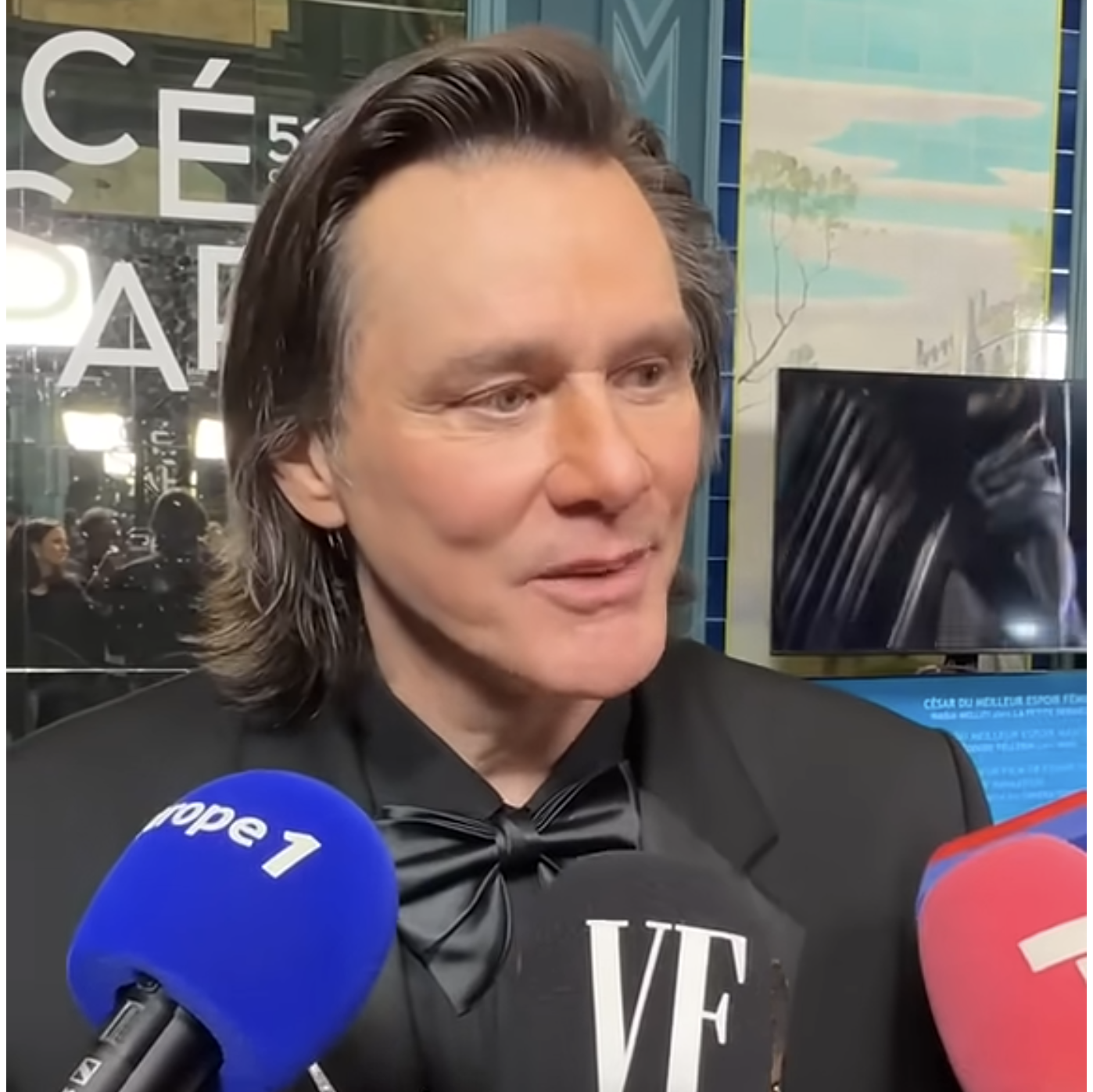
In March 2026, during the prestigious César Awards in France, an unexpected appearance by Jim Carrey left audiences and fans both fascinated and unsettled. While the actor’s presence initially generated excitement, it quickly gave way to confusion and debate across social media and independent commentary circles.
Carrey delivered a speech in French, signed autographs, and briefly spoke to journalists. Under bright stage lighting, viewers were able to observe him in detail—and for many, something did not seem quite right.
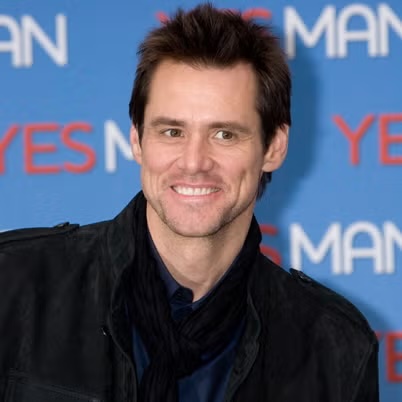
We all saw not just superficial differences, but deeper physical features that are impossible to alter. These included the structure of the skull, the spacing and size of the eyes, and overall facial proportions. Fans noted that the Jim Carrey they remembered from decades of films had distinctively wide-set, expressive, large dark eyes, contributing to his signature intense and comedic gaze. By contrast, the man appearing at the ceremony seemed to have narrower, more closely set eyes of a much lighter color, with a noticeably different facial geometry. The jawline, chin, and cheeks also appeared altered, with fuller features and a different smile structure.
While some attributed these differences to aging, cosmetic procedures, or lighting, others argued that such changes could not account for what they perceived.
Beyond appearance, there were visible differences in voice and demeanor. Jim Carrey has long been known for his energetic, often sharp, and ironic style of speech. The speaker at the César Awards, however, came across as softer, more sentimental, and even subdued. One particular statement drew significant attention; during his remarks, he said: “I’m dead… I felt like a novice.” For many, this seemed out of character for an actor of Carrey’s experience and confidence.
Mainstream outlets, including The Hollywood Reporter, were quick to dismiss the growing speculation as conspiracy theory. According to these sources, the changes in Carrey’s appearance and behavior were attributed to natural aging, stylistic choices, or simply the distortions of public perception.
it is a completely different face.
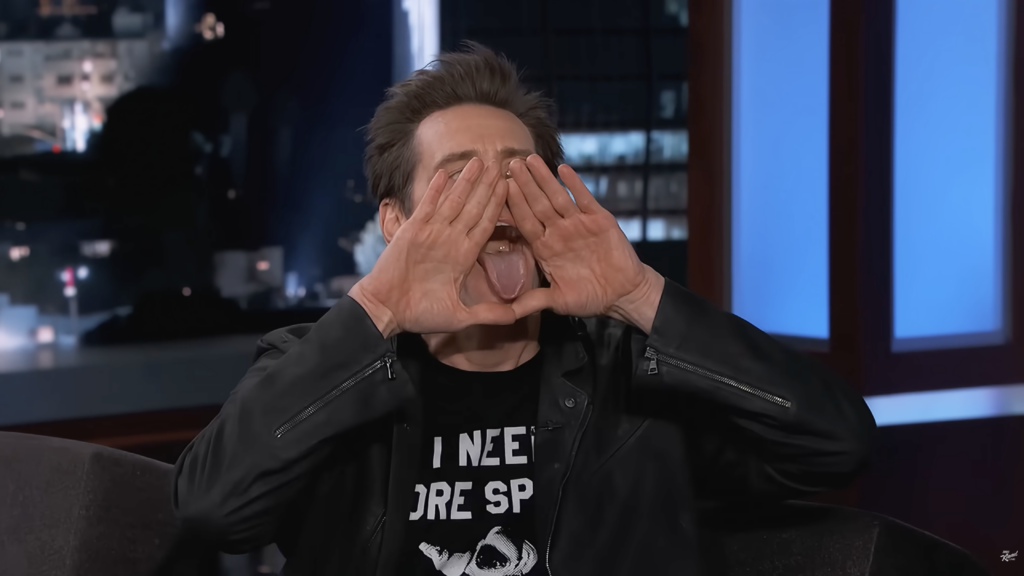
Jim Carrey was notoriously critical of the Hollywood environment; in particular, he mocked the Illuminati during his interview on the late-night show Jimmy Kimmel Live! in 2014. He also spoke out against vaccinations and even wrote about the subject. In short, Carrey became an “inconvenient” person, leading to theories that he was simply eliminated.
The situation resembles the classic tale of The Emperor’s New Clothes by Hans Christian Andersen—a scenario in which a collective illusion is maintained despite obvious contradictions. I am certain that the 2026 appearance attributed to Jim Carrey is so strikingly inconsistent with his known identity that it warrants serious scrutiny—not only from independent investigators but potentially from law enforcement authorities.
The central questions remain unanswered: Where is the real Jim Carrey—the artist admired by millions, known for his independent thinking and unmistakable presence? What happened to him, and when did this change occur?
This phenomenon is not limited to Jim Carrey. Look at Pamela Anderson; a similar transformation has occurred with far less public scrutiny. The woman currently presenting herself as Pamela Anderson doesn’t resemble her at all. She has a different facial expression, often looking frightened, and lacks the self-confidence the original Pamela possessed. As recently as 2018, the real Pamela Anderson gave numerous interviews, providing a wealth of material to analyze how she looked, how she talked, and the serious nature of the topics she discussed. Comparing those appearances to today, it makes sense that this current woman exhibits stage fright and dreadfully insecure behavior—who wouldn’t be, if they were forced to pretend to be someone they are not? Furthermore, she doesn’t seem to know how to pose, whereas the original was highly skilled at it.

Moreover, this is a blonde woman who is very pale—nearly albino-like. Pamela Anderson dyed her hair blonde; she wasn’t naturally blonde, and her skin wasn’t naturally so extremely pale. She typically had a tanned complexion. If you look at photos of a young Pamela Anderson before she started dyeing her hair, you can see she was actually a brunette with a different skin tone.

In other words, they are presenting a completely different Pamela Anderson—one who is now referred to as “Hyytiäinen” and who focuses on uninteresting topics like cosmetics. Curiously, this version of Anderson began a high-profile “no-makeup journey” at Paris Fashion Week in September 2023, subsequently attending events like the 2023 Fashion Awards and the 2024 Vanity Fair Oscars Party with a “fresh face”. Ironically, for someone who is supposedly not wearing makeup, this “new” Pamela seems to talk about it incessantly, primarily to promote her own beauty line. This stands in sharp contrast to the real Pamela Anderson: a fierce, confrontational activist who wasn’t afraid to put her reputation on the line. She visited Julian Assange while he was in detention and wasn’t afraid to speak out about global politics on live television.
That version of her has been erased. Even her Wikipedia page was updated with a new “officially approved” photo in 2024. Meanwhile, this woman supposedly called Pamela Anderson is constantly in the spotlight, her photos published everywhere, even featuring in a documentary film.
After a certain point in time, the public figure identified as Anderson began to receive an unexpectedly intense wave of media attention. Magazine covers, photo shoots, and promotional campaigns appeared in rapid succession. This stands in contrast to the later years of the “original” Pamela Anderson, who experienced a decline in major roles and visibility while taking on smaller international projects.
Supporters of this theory argue that the earlier Anderson—who openly expressed independent views—was a “less convenient” figure for the industry. By contrast, the current media image emphasizes lifestyle topics, personal habits, and a softer, less politically engaged persona.

Pamela Anderson, once bullied and silenced for her outspoken political views, is now praised in her “current iteration” as a feminist. Ironically, this acceptance seems to stem from her silence on politics and global corruption, opting instead to discuss makeup looks and her new beauty line—reminiscent of a convenient “Stepford Wife.”
The brave, confident, real Pamela who defended Julian Assange and WikiLeaks during television interviews was effectively driven out of Hollywood. The visible differences in physical appearance, presence, and mannerisms suggest that while vague resemblance remains, the overall impression is of a totally different individual.
The case of Jim Carrey at the 2026 César Awards represents something far more troubling: a question of identity that remains unresolved. Look closely at the current iterations of Selena Gomez, Kelly Osbourne, Angelina Jolie, Demi Moore, Britney Spears, and Madonna; it is clear that something strange is happening—something that cannot be explained by aging, plastic surgery, or weight loss. Real people are disappearing while impostors occupy the spotlight. Often, the greatest crimes are the ones most loudly applauded. This is why it is worth questioning what demands your approval before it is too late.