Despite an electrifying performance by Jaafar Jackson and impressive filmmaking craftsmanship, Antoine Fuqua’s biopic offers a largely idealized portrait of the King of Pop, sidestepping the controversies that continue to shape his legacy.
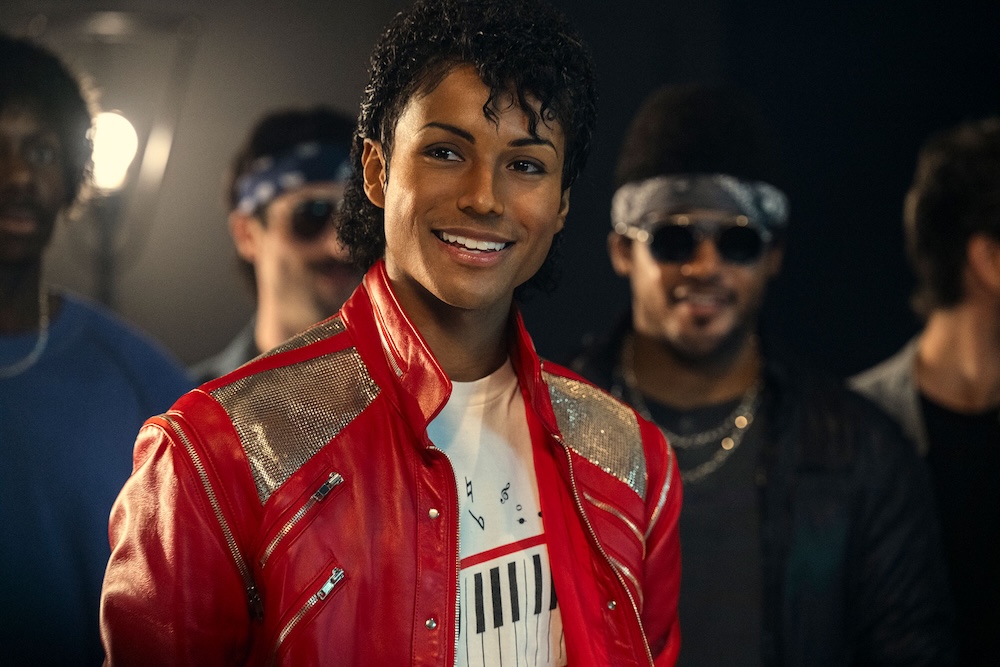
Directed by Antoine Fuqua and written by John Logan, Michael is an ambitious musical biographical drama that chronicles the rise of Michael Jackson from his childhood in the Jackson 5 to his emergence as the world’s biggest pop star during the Off the Wall, Thriller, and Bad eras. Produced by veteran filmmaker Graham King, the film clearly aims to be the definitive cinematic portrait of one of the most famous entertainers in modern history.
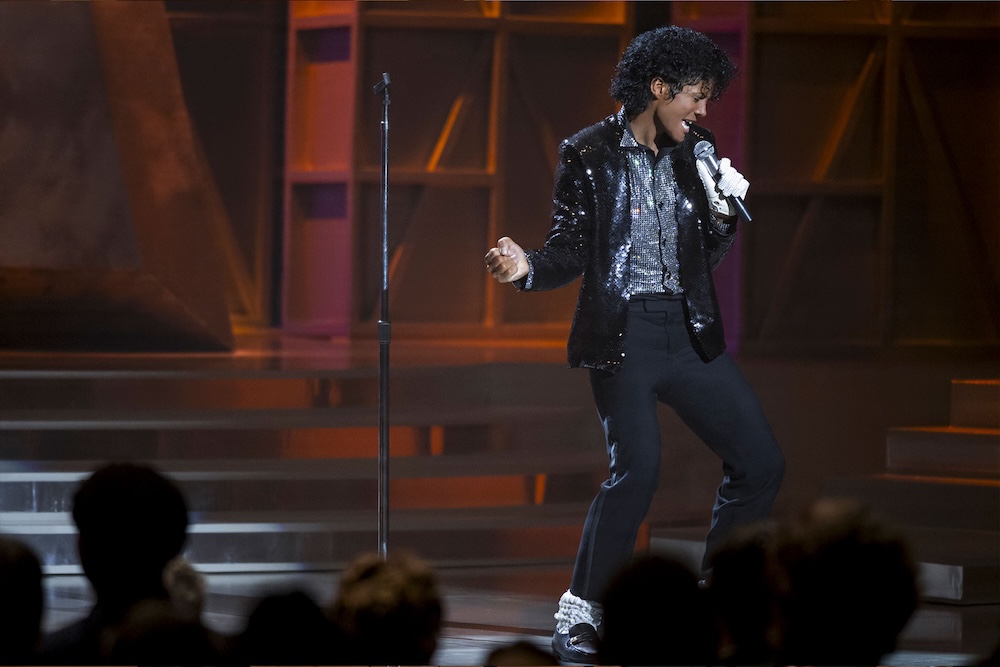
One of the film’s greatest strengths is its lead performance. Michael is portrayed by his nephew, Jaafar Jackson, in his feature-film debut, while the younger version of Michael is played by Juliano Krue Valdi. The casting proves to be remarkably successful. Jaafar Jackson does far more than simply resemble his famous uncle. His dancing, singing, physical mannerisms, vocal inflections, and overall stage presence are so convincing that there are moments when the audience almost forgets they are watching an actor. He captures not only Michael’s movements but also his charisma, vulnerability, and magnetic connection with an audience. It is an extraordinary performance and undoubtedly the film’s greatest achievement.
The supporting cast is equally strong. Colman Domingo delivers a memorable performance as Joe Jackson, portraying both the relentless discipline and the emotional damage inflicted by Michael’s father. Nia Long brings warmth and humanity to the role of Katherine Jackson, while Miles Teller provides a solid supporting turn as entertainment lawyer John Branca.
The film is also technically accomplished. Cinematographer Dion Beebe creates a polished and visually attractive recreation of the different periods of Jackson’s life. The concert sequences are energetic and immersive, capturing both the excitement of live performance and the almost mythical quality of Michael’s public persona. The production design, costumes, and musical recreations contribute to a convincing sense of time and place.
The screenplay by John Logan is engaging and generally well structured. It successfully balances dramatic moments with lighter scenes and incorporates welcome elements of humor that make the characters feel more approachable. The film never becomes oppressively solemn, allowing moments of warmth and wit to coexist with the pressures of fame and the difficulties of Michael’s upbringing. These touches help maintain a lively pace throughout its 127-minute running time.
The film presents Michael Jackson as a highly sympathetic and inspiring figure, and it does so very effectively. However, this is also where its greatest weakness lies. The portrayal is so overwhelmingly positive that it often feels one-dimensional. The Michael Jackson depicted on screen is almost flawless, lacking the contradictions, complexities, and darker aspects that made the real man such a fascinating and controversial figure.
In reality, Michael Jackson was an extraordinarily complicated individual. Alongside his undeniable artistic genius and personal charm, there were also serious allegations of child sexual abuse that followed him throughout much of his adult life. Although he was acquitted in court, public debate over these accusations has never truly disappeared, and many people continue to question his innocence.
This issue became even more significant after the release of the documentary Leaving Neverland, in which two men gave detailed and, for many viewers, highly convincing accounts of alleged sexual relationships with Jackson when they were children. The documentary sparked widespread discussion and raised difficult questions not only about Jackson himself but also about the adults around him.
Perhaps the most disturbing aspect of the story concerns the parents who allowed their children to spend extensive time with Jackson and, in some cases, sleep in his bed. It raises uncomfortable questions about celebrity culture, power, and parental responsibility. Can fame really make people ignore boundaries that would otherwise seem obvious? Are some parents willing to overlook alarming situations simply because the person involved is a beloved and globally famous entertainer? These questions remain deeply troubling and do not have easy answers.
Against this backdrop, it is somewhat surprising that Michael, produced years after Leaving Neverland, largely avoids addressing these issues. The film chooses not to engage with the controversies that have become an inseparable part of Jackson’s public legacy. While this decision may make for a more uplifting and accessible viewing experience, it also leaves the portrait feeling incomplete. Indeed, critics have frequently described the film as “sanitized” because of its reluctance to explore the most controversial aspects of Jackson’s life.
The film similarly misses an opportunity to explore the darker realities of the music industry itself—the pressures, exploitation, manipulation, and personal costs that often accompany enormous success. Such elements could have added greater depth and complexity to the narrative.
Ultimately, Michael is a well-crafted, entertaining, and often moving tribute to one of the greatest performers of all time. Antoine Fuqua directs with confidence, John Logan delivers an accessible and engaging screenplay, the cinematography is strong, and the musical sequences are highly effective. Above all, Jaafar Jackson’s performance is nothing short of remarkable. He does not merely imitate Michael Jackson; he brings him to life.
For viewers seeking a celebration of Michael Jackson’s artistry, talent, and cultural impact, the film succeeds admirably. For those hoping for a more probing examination of one of the most complex and controversial figures in popular culture, it may feel incomplete. As a result, Michael works best not as a definitive biography, but as an affectionate and highly entertaining tribute to a legendary performer whose life remains far more complicated than the film is willing to acknowledge.

